


In high-stakes industries where downtime equals lost revenue, the 63 amp industrial socket price isn’t just a line item—it’s a strategic investment. These rugged connectors power everything from assembly line robots to data center backups, but navigating costs without compromising safety or performance requires insider know-how. Let’s decode what drives pricing and how to maximize value.
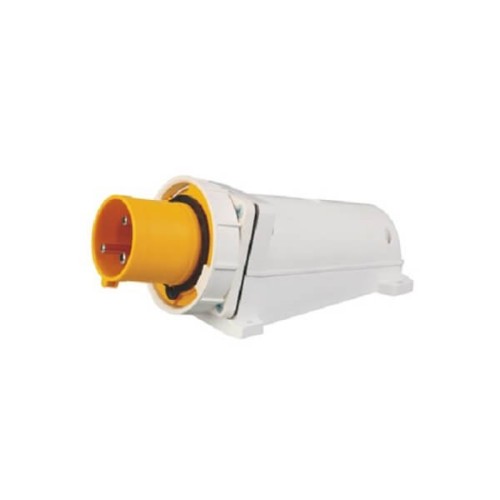
Why “Cheap” Sockets Risk Million-Dollar Meltdowns
Not all 63-amp industrial sockets are created equal. Bargain-bin models often skimp on materials, leading to overheating, arcing, or catastrophic failures in humid or high-vibration environments. Premium sockets, however, use copper alloys with silver plating for low resistance, thermoplastic casings rated for extreme temperatures, and IP67 seals to repel dust and moisture. A food processing plant learned this the hard way after a budget socket failed, idling a $500K packaging line for days.
Price Drivers: Beyond Amps & Volts
The 63-amp industrial socket price hinges on five factors most buyers overlook:
Certification Marks: UL, CE, or ATEX approvals add cost but ensure compliance with fire and explosion safety standards.
Contact Design: Screwless clamp terminals slash installation time (and labor costs) versus traditional bolt-down styles.
Modularity: Sockets with add-on ports for data or pneumatic lines future-proof systems, justifying higher upfront costs.
Duty Cycle: Continuous-use models rated for 100,000+ insertions cost 30% more but outlast standard versions 10:1.
Supplier Networks: Brands with global spare parts inventories minimize replacement delays—critical for multinational operations.
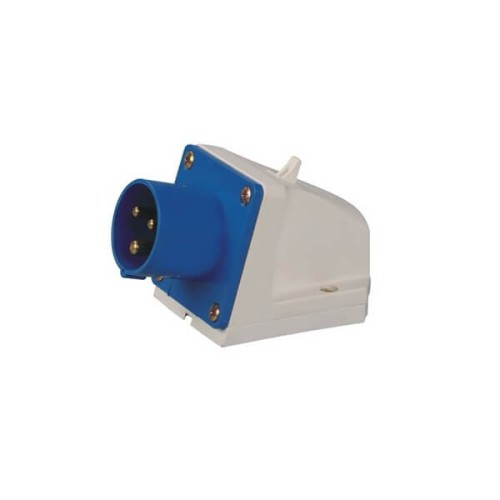
Smart Hacks to Slash Costs Without Sacrificing Quality
Bulk Buy Strategically: Purchasing socket-receptacle pairs as kits often nets 15-20% discounts vs. buying separately.
Refurbished Premium Units: CeCertified reconditioned docks from OEMs offer 40% savings with warranty backing.
Demand Transparent Testing: Suppliers helping third-party load cycle reports avoid underperforming clones.
Real-World ROI: When Premium Sockets Pay for Themselves
A German auto plant reduced energy costs by 18% after upgrading to high-efficiency 63 amp industrial sockets, thanks to reduced resistance heat loss. A wind farm operator cut maintenance budgets by $120K/year by switching to corrosion-resistant, marine-grade sockets in turbine nacelles. Even small workshops profit—modular sockets enabled a Texas metal fab shop to reconfigure machinery in minutes vs. hours during client demos.
Leave a comment